



















Bougainvillea 101: The Complete Care Guide
If there’s one plant that knows how to put on a show, it’s the Bougainvillea.
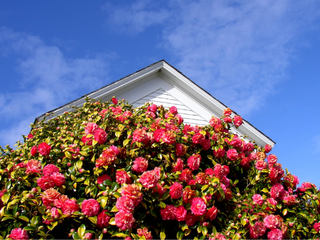
With brilliant papery bracts, vigorous growth and a serious love of sunshine, bougainvilleas can transform a fence, pergola, wall or sunny garden corner into a riot of colour.
And while Bougainvillea sometimes has a reputation for being fussy, an established plant is actually remarkably tough. The key is getting the basics right from the beginning.
The secret to growing a healthy, flowering bougainvillea is simple: plenty of sun, good drainage, appropriate watering, regular feeding and well-timed pruning.
Whether you're planting a bougainvillea in the garden or growing one in a pot, this guide covers everything you need to know to keep your plant healthy and encourage plenty of colourful new growth.

What does a Bougainvillea need to grow well?
Bougainvilleas need five main things:
-
Plenty of direct sunlight
-
Free-draining soil
-
Deep, thorough watering when the plant needs it
-
Regular feeding during active growth
-
Pruning to manage vigorous growth and encourage new shoots
Get those fundamentals right and bougainvilleas can be incredibly rewarding plants.

How much sun does a Bougainvillea need?
Bougainvilleas are sun lovers. Really, really big sun lovers.
For the best flowering, choose the brightest position you have. Aim for at least 6 hours of direct sunlight a day, with more sun generally producing better flowering.
Bougainvilleas can survive in lower-light conditions, but you may notice a very different plant. In too much shade, they can become stretched and leafy, with less vigorous growth and fewer flowers.
Where is the best place to plant a Bougainvillea?
Look for a position that is:
-
Sunny, with at least 6 hours of direct sunlight
-
Open and well ventilated
-
Protected from cold winds where possible
-
Well drained soil
-
Large enough to accommodate the mature plant
Think about the position carefully before planting. A bougainvillea may look tiny when you bring it home, but some varieties are extremely vigorous and can become substantial garden plants.
Don't plant for the size your bougainvillea is today. Plant for the size it could become.
If you're planting near a fence, wall, pergola or other plants, leave enough space for the mature plant and consider how much pruning you're prepared to do.
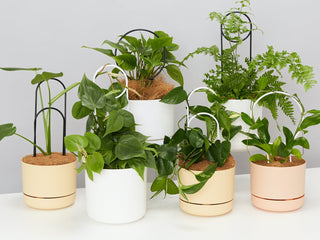
Can you grow Bougainvillea in a pot?
Yes! Bougainvilleas can grow very successfully in containers.
Growing in a pot can actually be a great option if you want to control the ultimate size of your plant or you're working with a balcony, courtyard or smaller garden.
Choose:
-
A pot large enough for the plant
-
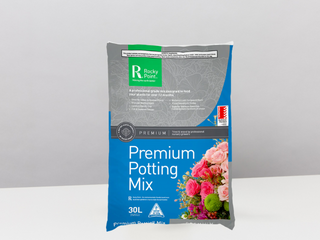
A good-quality, free-draining potting mix
-
A sunny position
-
A container with adequate drainage holes
-
A suitable support if your variety has climbing growth
Potted bougainvilleas will generally need closer attention to watering and feeding than plants growing in the ground.
Don't let the pot sit permanently in a saucer of water.

How often should you water a Bougainvillea?
There isn't a magic bougainvillea watering schedule.
You won't find a reliable "water every Tuesday" rule because watering requirements depend on the weather, soil, plant size, pot size and whether your bougainvillea is growing in the ground or a container.
Instead, check the soil and the plant's growing conditions.
As a general guide, allow the surface of the soil to dry between thorough waterings. When you water, water deeply so moisture penetrates the root zone rather than giving the plant lots of small drinks.
During hot, dry or windy weather, bougainvilleas will use water more quickly and may need watering more frequently.
Newly planted bougainvilleas also need more attention while they're establishing their root system.
Should I water a Bougainvillea every day?
Usually, no — not once an established bougainvillea is growing in the ground with good drainage.
Daily light watering can keep the surface of the soil continually damp without encouraging deeper root development.
Instead, water thoroughly when the plant needs it and allow the soil surface to dry between watering.
There are exceptions, particularly for newly planted plants, small containers and during periods of extreme heat. Always adjust your watering to the conditions rather than following a rigid schedule.
How often should you water a potted Bougainvillea?
Potted bougainvilleas need more frequent monitoring than plants growing in the ground.
A container contains a limited amount of soil, which means it also holds a limited amount of available moisture. On hot or windy days, a potted bougainvillea can dry out surprisingly quickly.
Check your container regularly, particularly during summer.
Also remember that rainfall doesn't always mean your plant has received enough water. A bougainvillea growing under a verandah, pergola or other sheltered position may receive very little of the rain that falls around it.
The goal is good moisture when the plant needs it without keeping the roots constantly wet.
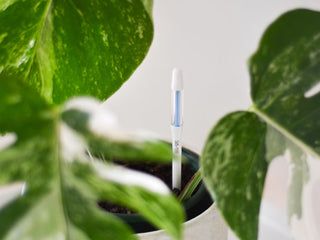
A Sustee Water Meter can be very helpful in showing you when to water your potted Bougainvillea - find out more HERE

Do Bougainvilleas need well-drained soil?
Yes. Good drainage is one of the most important things to get right when growing bougainvillea. Bougainvilleas hate wet feet!
Bougainvilleas prefer free-draining conditions and don't perform well when their roots sit in constantly waterlogged soil.
Before planting, check how quickly water drains from the planting area. If water remains sitting in the hole, you may have a drainage problem that needs to be addressed before planting.
Continually wet soil can damage the root system and leave your bougainvillea struggling, even if you're providing plenty of sunlight and fertiliser.
If you have heavy or poorly draining soil, improve the planting conditions rather than simply hoping the plant will cope.
For bougainvillea, slightly too dry is generally easier to manage than constantly wet roots.

How to plant a Bougainvillea
Giving your bougainvillea a good start can make a huge difference to its establishment.
Prepare the planting area before removing the plant from its pot.
Dig a hole that is wider than the existing root ball and deep enough to accommodate the plant without burying it too deeply. The top of the root ball should sit at approximately the same level as it did in the original container.
Planting your Bougainvillea step by step:
1. Water the plant before planting.
Make sure the root ball is well hydrated before removing it from the pot. This helps to avoid any root damage to the young plant.
2. Remove the plant gently.
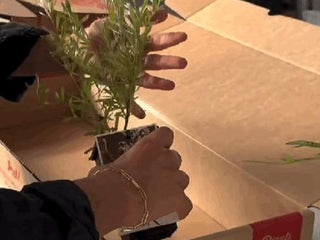
Tap or squeeze the sides of the pot and gently ease the plant out. Don't pull the plant from the stem or foliage.
Young Bougainvillea roots are very delicate and damage at this stage can be fatal for the plant.
Our post purchase Garden Coach emails include a video on how to do this.
3. Place the plant into the hole.
Check the height before backfilling. The top of the root ball should sit around the same level as it was in the pot.
4. Backfill with good-quality soil.
Fill around the root ball and gently firm the soil into place.
5. Water thoroughly.
Give the newly planted bougainvillea a good drink to settle the soil around the roots. Include a dose of Seasol or Eco-Seaweed as a root tonic.
6. Add mulch.
Apply mulch around the root zone, but keep it away from the main stem. A gap of around 10 cm is a useful starting point.

Do Bougainvilleas need a trellis or support?
Many bougainvilleas have vigorous, scrambling or climbing growth and will benefit from a strong support.
If you're growing a bougainvillea against a:
-
Fence
-
Pergola
-
Trellis
-
Wall
-
Garden structure
plan the support before the plant becomes large.
Don't underestimate the weight of a mature bougainvillea. A large canopy can put considerable pressure on a support, particularly in windy conditions.
Use a strong, secure support rather than something that will need replacing once the plant gets going.
Some bougainvilleas can also be trained into more compact or cascading forms depending on the variety and how they're pruned.
How far apart should Bougainvilleas be planted?
There is no single correct spacing for every bougainvillea.
Plant spacing depends on the variety, its mature size and the look you're trying to achieve.
Vigorous varieties need considerably more room than compact cultivars.
When planning a hedge, screen or group planting, check the expected mature size of your particular variety rather than spacing plants according to the size of the young plants you're buying.
It can be tempting to plant them close together to get an instant screen, but giving each plant enough room can mean less maintenance and better airflow as they mature.
Give your Bougainvillea room to grow
Bougainvilleas are long-lived plants and, under the right conditions, can become substantial garden specimens.
The good news? They're also very responsive to pruning.
That means you don't necessarily have to let your bougainvillea take over the entire backyard. Remember, they are also great for growing in pots.
Choose the right variety for your space, provide the conditions it needs and prune regularly to maintain the size and shape you want. Leaving them too long will only make pruning more difficult.

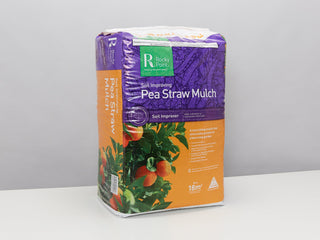
Should you mulch around a Bougainvillea?
Yes, mulch can be very useful around bougainvilleas.
Mulch helps reduce evaporation, moderate soil temperatures and protect the soil surface.
Good mulch options include:
-
Chunky bark
-
Wood chips
Spread mulch over the root zone but keep it away from the main stem.
Avoid creating a thick, constantly wet layer against the base of the plant.
Fresh lawn clippings aren't ideal as a standalone mulch because they can compact into a dense layer that restricts water and air movement into the soil.

How do you fertilise a Bougainvillea?
Bougainvilleas are vigorous growers, and producing new shoots and colourful bracts requires energy.
A regular feeding routine during active growth can help support healthy growth and flowering, particularly for plants growing in containers or soils with limited nutrients.
Choose a suitable fertiliser and follow the application rate on the product label.
More fertiliser isn't necessarily better.
Applying excessive fertiliser can damage roots and create other problems. If your bougainvillea is struggling, don't automatically reach for more fertiliser — first look at sunlight, watering, drainage and the overall health of the plant.
When should you fertilise Bougainvillea?
For new plants, they might not need fertilising straight away - it depends on how you are planting them. Newly in-ground planted Bougainvillea can use a dose of quality slow release fertiliser. Newly potted plants may not need fertilising straight away, if there is fertiliser included in the potting mix you have used - read the label.
For most established plants, feeding is most useful during periods of active growth.
Reduce or stop routine fertilising when the plant isn't actively growing, particularly during cooler conditions.
Potted plants may need more regular feeding because nutrients can become depleted from the relatively small volume of potting mix.
Some Bougainvillea varieties are heavier feeders than others, and may need fertilising more regularly.

Why are my Bougainvillea leaves turning yellow?
Yellow leaves on a bougainvillea are a symptom, not a diagnosis.
There are several possible causes, including:
-
Overwatering
-
Poor drainage
-
Nutrient deficiencies
-
Low light
-
Root problems
-
Transplant stress
-
Natural ageing of older leaves
Nutrient availability can also be affected by soil conditions. Iron or magnesium deficiencies, for example, can cause yellowing in some circumstances.
Before adding fertiliser, look at the whole plant.
Ask yourself:
-
Is it getting enough direct sunlight?
-
Is the soil draining freely?
-
Is it being watered too often?
-
Has it recently been planted or repotted?
-
Is the new growth healthy?
-
Is the plant actively growing?
-
Has it recently experienced very hot, cold or wet weather?
If you're unsure whether nutrients are the problem, a soil test can be more useful than simply adding more fertiliser.

Are Bougainvilleas drought tolerant?
Established bougainvilleas are relatively drought tolerant once they're growing well, particularly when planted in a sunny position with free-draining soil.
However, drought tolerant doesn't mean "never needs water".
Newly planted bougainvilleas need regular attention while their root systems establish. Plants growing in containers also dry out more quickly than those growing in the ground.
During prolonged hot and dry weather, even an established bougainvillea may need additional watering.
The goal is to encourage a healthy, established root system while avoiding prolonged waterlogging.
Bougainvillea care: the Plants in a Box rules
If you remember only five things about growing bougainvillea, make them these:
☀️ Give it sun
Bougainvilleas need plenty of direct sunlight for strong growth and good flowering.
💧 Water deeply
Water thoroughly when the plant needs it and allow the soil surface to dry between watering.
🌱 Give it drainage
Free-draining soil is essential. Constantly wet roots can cause serious problems.
✂️ Prune it
Regular pruning helps keep vigorous plants manageable and encourages fresh growth.
🌸 Look after the new growth
Bougainvillea flowering is associated with new growth, so healthy growing conditions are key to getting the best display.

Bougainvillea care doesn't have to be complicated
Bougainvilleas sometimes get a reputation for being difficult, but once you understand what they actually need, they're surprisingly straightforward.
Sun. Drainage. Water. Food. Pruning.
Get those basics right and your bougainvillea can reward you with years of vigorous growth and spectacular colour.
Shop our Bougainvillea Collection HERE
We'll be back soon with our next installment in our Bougainvillea 101 Guide: How to Prune and Fertilise Bougainvillea for More Flowers
Got a burning bougainvillea question? Send it our way: hello@plantsinabox.com.au We're always happy to talk plants. 🌿