




















Buzzing with Life: Celebrating Australian Pollinator Week 2025 🐝🌼
Australian Pollinator Week is November 8th - 16th — and we’re all abuzz about the little legends that keep our gardens (and bellies!) full. From native bees to bats, butterflies to birds, pollinators play a huge role in Australia’s wild landscapes and backyard blooms alike.
The Pollinator Posse 🦋🐦🦇
Australia is home to over 2,000 species of native bees, and most of them don’t live in hives! They’re solo flyers, nesting in soil, wood, or even old snail shells. These bees vary widely in size, colour, and behaviour, and are often more specialised than the introduced European honeybee.
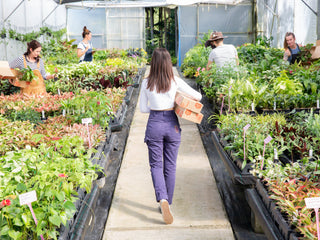
One of our regular favourites that we see here in our nursery, the blue-banded bee, does something amazing called buzz pollination — vibrating flowers to shake out pollen, just like a mini jackhammer.

But it’s not just our bees doing the heavy lifting, watch out for and appreciate these helpers in your garden:
-
Flies, beetles, and wasps pollinate countless native plants, often without even realising it themselves!
-
Butterflies go for flat, colourful blooms — easy to land and sip from.
-
Honeyeaters and lorikeets spread pollen while feasting on nectar-rich grevilleas and bottlebrushes.
-
And at night, moths, flying foxes, microbats and even mosquitoes take over, pollinating eucalypts and rainforest trees while the rest of the world sleeps.
Even ants join in (though they’re not the best at sharing the love — they sometimes take the nectar and forget the pollen part!).
Native Plants with Pollinator Superpowers 🌿
Australia’s plants have evolved some seriously clever and fascinating ways to attract their perfect pollinator match.

-
Stylidium/Trigger Plants (above) are so fascinating! They have a trigger, which when an insect probes the flower, it then springs upwards and deposits pollen on the head or back of the insect which then transfers the pollen to another flower. Amazing!
-
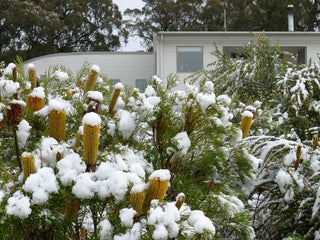
Grevilleas flaunt almost alien like, bright, curved blooms in so many different shapes, sizes and colours and while they are candy for our eyes, they are just made for bird beaks!
-
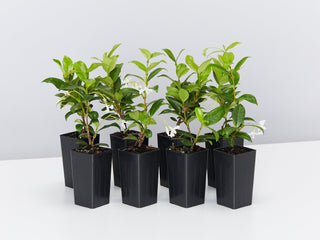
Leptospermum and Melaleucas are nectar factories for bees, beetles, and birds. Both native and introduced bees, including honeybees, are significant pollinators and gather nectar and pollen from Leptospermum flowers. Honeybees are known to collect nectar from species like Leptospermum scoparium to make the healing powerhouse Manuka honey.
-
Kangaroo Paws dust pollen onto bird foreheads while they sip (nature’s version of a friendly head bump).
-
Eucalypts skip petals entirely — their fuzzy stamens and sweet scent do all the work. Eucalypts are often considered "generalist" pollinators because they can rely on many different animal groups, making them less vulnerable to the loss of a single pollinator species.
-
Native orchids are the tricksters of the plant world, mimicking female insects to lure in suitors for pollination.
Each plant has its own story — proof that Australian flora and fauna are made for each other.
Bee the Change 🐝💛
This Pollinator Week, let’s give a little love back.
Why don't you plant a mix of nectar-rich native flowers, skip the harsh sprays, and let your garden buzz, flutter, and hum with life. Every bloom helps keep Australia’s pollinators — and our planet — thriving.
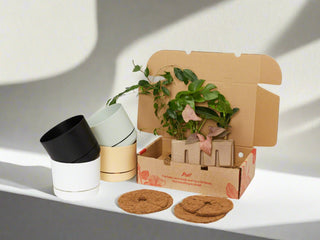
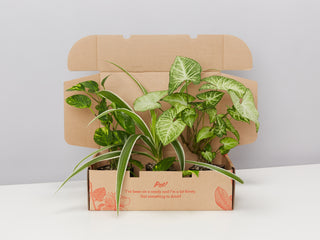
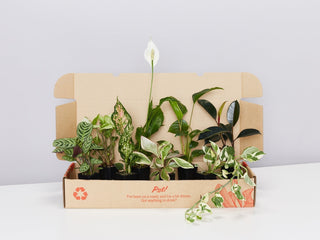
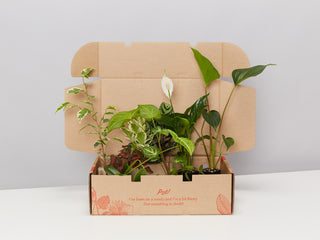
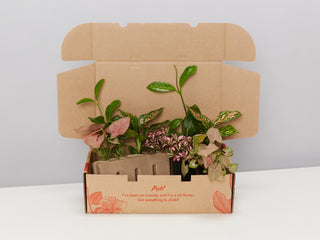
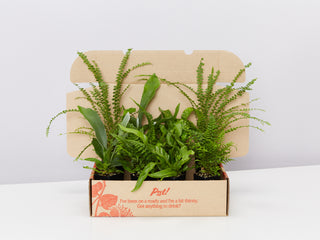
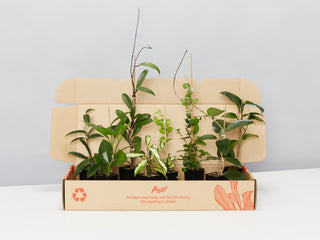
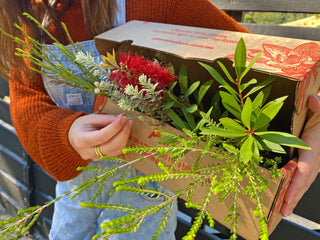
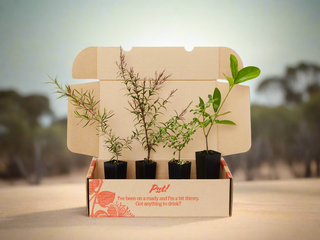
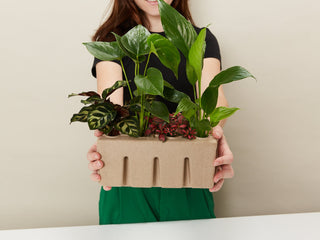
We're joining in on the appreciation by sending a sample jar of honey from one of our local apiaries with each Assorted Box of Native Plants. While stocks last!
So go on — plant something pollinator-friendly, grab a jar of our celebratory honey, and join us in celebrating the sweet side of nature.

🌼 Shop our Pollinator-Friendly Plant Collection — Build you own pollinator buffet! These Australian Natives will keep the bees, birds, and butterflies happy all year long.