

























Grow Your Own Bush Tucker: Easy Native Edibles for Aussie Gardens
There’s something special about growing food that’s truly native to this land. Bush tucker plants have been thriving across Australia’s diverse landscapes for thousands of years — long before backyard veggie patches and farmers’ markets existed. These native edibles aren’t just beautiful and resilient, they also connect us to the ancient knowledge and flavours of Country.
Whether you’ve got a balcony garden, a suburban backyard, or a little patch of bush, you can bring a taste of the wild into your home garden with a few of our favourite Australian bush tucker plants.
Why Grow Bush Tucker Plants?
Bush tucker plants are Aussie tough. They’re adapted to our hot summers, poor soils, and unpredictable rainfall, which means they’re low-fuss once established. They’re also great for local biodiversity — providing nectar for native bees, birds and butterflies, and keeping your garden in tune with its natural environment.
Bringing Bush Flavours to Your Table
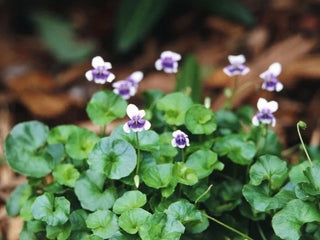
Imagine sprinkling Saltbush over roasted veggies, mixing Prostanthera into your favourite meat rub, or topping any sweet delight with Native Violets. Bush tucker plants are as versatile in the kitchen as they are beautiful in the garden — offering new flavours, native fragrance, and a deeper appreciation for this land we live on.
Here's a few simple Bush Tucker recipes to get you started!

Lilly Pilly Cordial (Syzygium australe)
Recipe by Local Food Connect
Ingredients
2 cups lilly pillies (the fruit of your Syzygium)
4 cups water
1 teaspoon tartaric acid
2 cups sugar
juice of 2 lemons
Method
Note: pick the lilly pillies when they have just changed colour; if left to ripen for too long, they will become bitter.
Put the lilly pillies, water, tartaric acid, sugar and lemon juice into a stainless steel saucepan.
Boil for about 5 minutes, or until the lilly pillies are just starting to soften.
Mash the fruit, then tip the mixture into a strainer and strain out the seeds. Pour the liquid into sterilised bottles.
Use like ordinary cordial – put a splash in a glass and add water to taste.
The cordial should keep for at least a fortnight, and possibly longer, but remember it doesn’t contain preservatives, so it won’t last long. Keep it in the fridge.

Saltbush & Caper Butter (Atriplex nummularia)
recipe by Darren Purchase
Ingredients
Method
Add the butter into a bowl and follow that by adding the mustard, crème fraiche, lemon zest, capers and sliced saltbush. Mix all of these ingredients well together using a spoon or a spatula.
Check for seasoning… be careful with salt as the capers are already salty but check if your butter needs salt & pepper and adjust accordingly.
Store… serve immediately or store in the fridge for up to a week or the freezer for longer.

Midyim Berry & Apple Pastry Slice (Austromyrtus dulcis)
Recipe by Local Food Connect
Ingredients
50g midyim berries (berries from your Austromyrtus dulcis)
2 large green apples
2 sheets of frozen puff pastry
50g brown sugar
20g butter
1 teaspoon milk, to glaze pastry
Method
Peel, core, and finely slice apples. Lay out pastry sheets and place apple slices down the centre. Sprinkle the apples with midyim berries.
Cut small pieces of butter and sprinkle on fruit, and then sprinkle with sugar, reserving 1 teaspoon for the glaze.
Cut the pastry on slant strips about 1cm wide on each side, up to the apple. Starting at one end, overlap strips in a plait pattern wrapping over the top of the fruit.
Place on a baking sheet and bake in oven at 200°C until it starts to brown.
Remove from oven. Mix milk and teaspoon of sugar and brush on top of pastry to glaze. Place back in oven to finish browning. Serve with fresh cream or custard.
Growing Tips for Bush Tucker Plants
-
Sun & soil: Most bush tucker plants love full sun and well-drained soil.
-
Watering: Water regularly while young; once established, most can handle dry spells.
-
Feeding: Use a native fertiliser low in phosphorus to keep roots happy.
-
Harvesting: Always taste-test small amounts first, and make sure fruits or leaves are ripe before eating.
Start Your Bush Tucker Garden
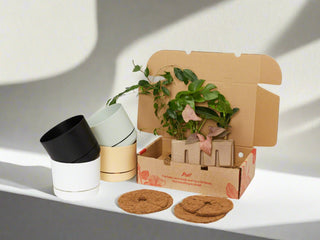
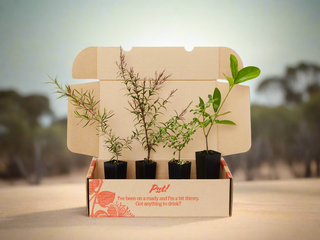
At Plants in a Box, we love helping Aussies grow with nature. Whether you’re after a single shrub or a full edible garden, you’ll find an easy range of native bush tucker plants, soil mixes, and care tools ready to ship to your door.
It’s time to dig in and grow a little piece of Australia at home. 🌿