





















Growing Houseplants in Water and Semi-Hydro with LECA
A Simple, Cleaner Way to Grow Indoor Plants
Did you know many popular houseplants can thrive without traditional potting mix?
Growing plants in water or semi-hydroponically with LECA (Lightweight Expanded Clay Aggregate) is becoming increasingly popular with indoor plant lovers. It's cleaner, easier to monitor root health, and can reduce many of the common issues associated with soil, such as fungus gnats, overwatering, and compacted potting mix.
Whether you're looking to grow plants in glass vessels filled with water or try semi-hydro growing with LECA, getting started is easier than you might think.
What's the Difference?
Growing Plants in Water
This is exactly what it sounds like. The plant's roots sit directly in water, usually inside a glass vase, jar, or decorative vessel.
The water provides hydration, while nutrients are supplied through occasional applications of liquid fertiliser.

Semi-Hydro with LECA
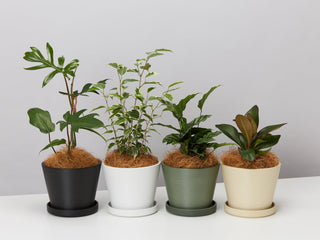
Semi-hydro uses LECA clay balls as the growing medium instead of soil.
The LECA sits above a small water reservoir at the bottom of the container. The clay balls wick moisture upwards, providing roots with consistent access to water while still allowing plenty of airflow.
This creates an ideal balance between moisture and oxygen, helping many houseplants thrive.

What You'll Need
For Water Growing
- Glass vase, jar, or vessel
- Clean water
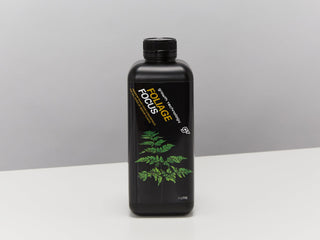
- Liquid indoor plant fertiliser
- Healthy plant cutting or established plant
For Semi-Hydro with LECA
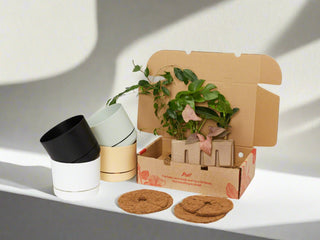
- LECA clay balls
- Nursery pot with drainage holes or net pots
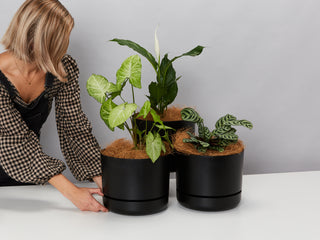
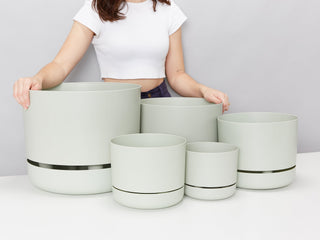
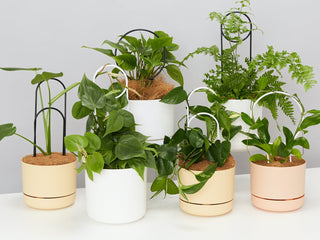
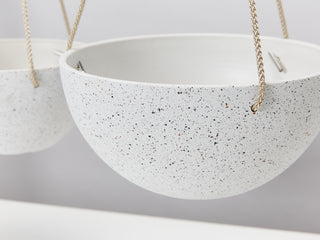
- Decorative outer pot or cachepot. A ceramic/opaque pot without drainage is best to reduce light and algae growth, and hold water. This is best for use with a net pot that sits inside the decorative pot.
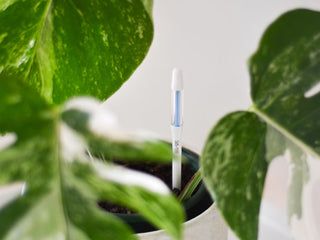
- Water level indicator (optional but helpful)
- Liquid hydroponic or indoor plant fertiliser
- A healthy plant with fairly well established roots

Step 1: Remove All Soil from the Roots
This is the most important step.
Carefully remove the plant from its pot and gently shake away as much potting mix as possible.
Next:
- Rinse roots under lukewarm running water.
- Work gently with your fingers to remove stubborn soil, being careful not to break roots.
- Continue rinsing until roots are completely clean.
Any remaining soil can break down in water and contribute to bacterial growth, algae, or root problems. If any soil is left, try cleaning the roots again weekly until they are nice and clear of soil.
Take your time here—clean roots make for a much smoother transition.
Step 2: Check Root Health
Before placing your plant into water or LECA, inspect the roots.
Healthy roots are usually:
- White, cream, or light tan
- Firm to the touch
- Fresh-looking
Remove any roots that are:
- Black
- Brown and mushy
- Slimy
- Damaged or rotten
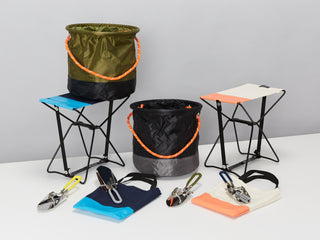
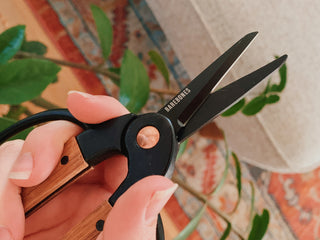
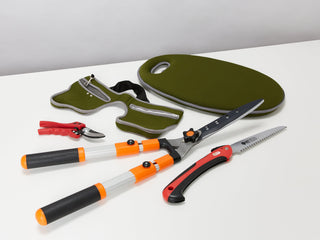
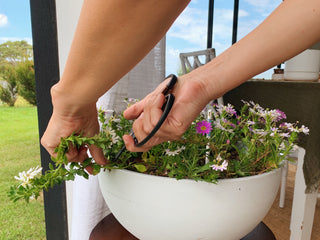
Using clean and sanitised scissors or secateurs, trim away unhealthy roots before planting.
This gives your plant the best chance of adapting to its new environment.

Step 3: Choose Your Growing Method
Option 1: Growing Directly in Water
Place the cleaned roots into your chosen vessel.
A few important tips:
- Ensure roots are submerged.
- Keep stems and leaves above the water line.
- Change water every 1–2 weeks.
- Top up water as required.
- Add a diluted liquid fertiliser every few weeks during active growth.
Clear glass vessels make it easy to monitor root development and create a beautiful display feature in the home.
Remember, adding fertiliser to clear glass will encourage algae growth - make sure you clean the vessels and change water regularly to keep your plants healthy.
Option 2: Semi-Hydro with LECA
Before use, soak LECA overnight and rinse thoroughly.
To plant:
- Add a layer of LECA to the bottom of the container - if using a net pot, fill this, not the outer decorative pot.
- Position the plant.
- Fill around roots with additional LECA.
- Add water to create a small reservoir at the base (to the decorative pot if using a net pot).
For beginners, a good rule is to keep approximately the bottom quarter to one-third of the LECA submerged.
The clay balls will wick moisture upward while maintaining excellent airflow around the roots.
Over time, the plant develops specialised water roots that are perfectly adapted to semi-hydro growing.
What Fertiliser Should You Use?
Unlike soil, water and LECA contain no nutrients.
Plants will require regular feeding using:
- Indoor plant liquid fertiliser
- Hydroponic nutrient solutions
- Semi-hydro specific fertilisers
Always follow label directions and use a diluted strength initially while plants adjust.
Less is often more.

The Best Plants for Water and LECA Growing
Many tropical houseplants adapt exceptionally well.
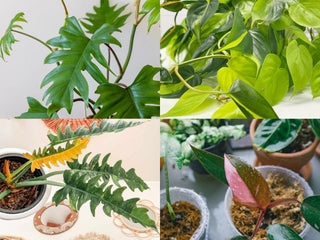
Excellent Choices
- Pothos (Devil's Ivy)
- Philodendrons
- Monstera deliciosa
- Syngonium
- Peace Lily
- Aglaonema
- Epipremnum pinnatum
- Scindapsus
- Spider Plant
Good Candidates
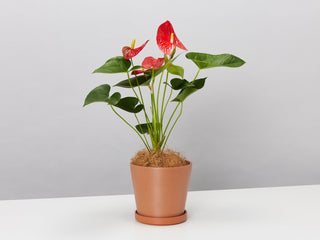
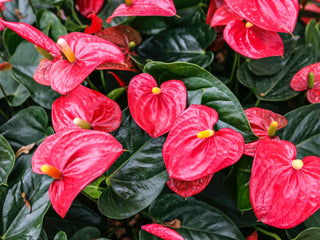
- Anthuriums
- Alocasia
- Homalomena
- Dieffenbachia
- Rhaphidophora tetrasperma

Common Questions
Will the Plant Grow New Roots?
Yes.
Most plants transitioning from soil develop a new set of water-adapted roots over time. This is completely normal and part of the adjustment process.
Is LECA Better Than Water?
Neither is necessarily better.
Growing in water is simple and decorative.
Semi-hydro with LECA generally offers more stability, improved aeration, and stronger long-term growth for many species.
Do I Need Special Pots?
Not at all.
Many growers use:
- Glass jars
- Vases
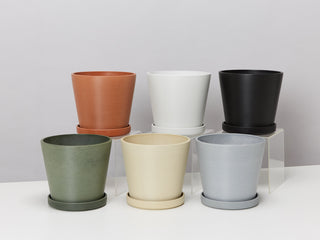
- Decorative pots
- Recycled containers
The key is monitoring water levels and ensuring roots have access to both moisture and oxygen.

Final Thoughts
Growing plants in water or semi-hydro with LECA is a rewarding way to enjoy indoor plants while reducing many of the challenges associated with traditional potting mix.
With clean roots, a suitable vessel, regular nutrient applications, and a little patience during the transition period, many popular houseplants will happily adapt and produce beautiful new growth.
Whether you're styling a Monstera in a glass vase or creating a thriving LECA collection, you'll soon discover why so many plant lovers are making the switch from soil.