
































How to restore your garden after flooding and storm damage
How to restore your garden after flooding and storm damage
In the wake of the Eastern Australia’s recent floods and storms, Queensland and New South Wales residents are facing devastating scenes and months of clean-up. When dealing with the loss of buildings, possessions, and vehicles, for many people a soggy garden will be the last of their worries. But for us green thumbs, our gardens are a place of refuge and a source of happiness.
Not only can gardens relieve stress and improve our mental health, they can also help our landscapes heal. With the right plants and some good old elbow grease, you can restore sites that have been thrashed by heavy rains or drowned in flood waters.
Not sure where to start? To help our fellow gardeners recover from the floods, we have created a quick guide to transform your muddy mess into a natural paradise.

Silt, sludge and debris: The initial clean-up
Before you clean up any muck, kit yourself out in protective gear including waterproof footwear, gloves, and other PPE. Floodwater is not sanitary and can often carry traces of sewerage and harmful bacteria (yuck!). Use hand sanitiser often and don’t forget the mozzie spray!
Start by removing any trash, debris and uprooted plants. If you are faced with broken branches or trees, you should enlist the help of a qualified arborist to ensure you don’t cause further damage!
Make sure you separate garbage from green waste and then dispose of each properly. It’s a great idea to save any uncontaminated green waste to start up a compost – you’re going to need lots of organic matter to rebuild your soil structure and help your garden heal.
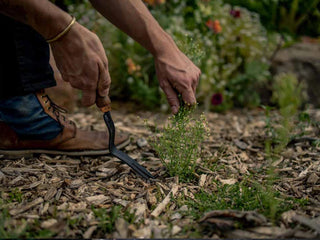
Next, remove as much of the remaining mud as possible by scraping it away from roots, trunks and shrubs. Ideally you want to get to it before it dries and hardens. Try to avoid using high-pressure water cleaners as this can further damage plants.
 Decide what to scrap and what to save
You can usually save more established hardy trees such as Melaleuca, Lily Pilly and Tea Tree varieties as well as hardy hedging like Murraya and Photinia. Saving these plants should be a priority as they have the best chances for survival.
Plants with soft growth such as annuals, vegetables, herbs and geraniums won’t survive any amount of flooding and should be disposed of. Most Grevillea, Banksia and ground cover plants which have been submerged for a day or longer will likely die off too. The same goes for many fruit trees such as avocado, citrus, mango and papaya as well as jacaranda and poincianas. Keep an eye out for signs of rot or die off in these plants during the coming months.
Turning a new leaf: Cleaning foliage
The sludge leftover from flooding acts like a thick blanket and prevents plants from absorbing light (photosynthesising). That’s why it’s essential that you wash off any silt or mud that has coated the leaves of your plants.
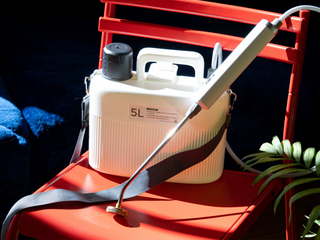
Start by wetting down plants with a gentle hose setting and then spray a solution of one tablespoon of biodegradable dishwashing liquid per 3 litres of water to wash off the silt. Rinse off the detergent solution after a minute to avoid damaging the foliage.
 Water-logging: Looking beneath the surface
Above-ground flood damage is obvious. You may be faced with erosion of topsoil, snapped of cracked limbs, and in some cases the complete removal of vegetation. While all this is devastating for any gardener, the real damages lays beneath the surface.
Healthy soil provides plants with stability, nutrients, oxygen and water, but when soil becomes waterlogged, all of these benefits are stripped away. Water replaces the oxygen and air pockets (pores) in the soil don’t get oxygen (or the oxygen is forced out). In fact, after just 24 hours of immersion underwater, the tip of a plant’s roots begins to die.
This disturbance affects root growth and can trigger a bunch of root diseases. Stressed plants are more susceptible to insect and disease damage, particularly wood boring insects, and fungi which thrive in moist conditions, so keep an eye out!

Drying out your soil
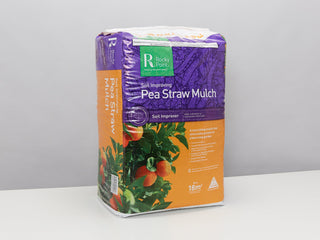
You can choose to let your garden soil dry naturally, but this will take a while (especially for clay soils). If you want to give your soil a helping hand, you can add lots of coarse organic material and turn it over to blend it into your soil. Usually compost is best, but when you’ve got waterlogged soil, mulches are a better option. Mulches, such as pine bark, create an artificial pore structure which helps air back into the soil. The downside is that it strips nitrogen from the soil as it breaks down, so keep make sure you regularly test your garden soil.
Waterlogged soils often become acidic, so you can add a handful of lime per square metre on the soil’s surface to protect against this. You can also apply some blood and bone or poultry manure to kick your soil into gear again (about a handful per square metre). Do not use any fertiliser after a flood event, as many plants will go dormant due to stress.
If some of your larger plants are struggling you may like to apply some fungicide to help with fungal infection. For soil problems, use your fungicide as a drench and for leaf spot use as a spray.
 What to plant?
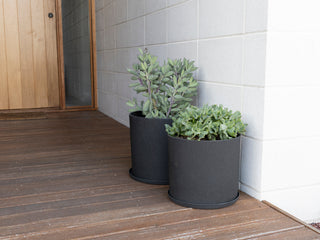
Once your garden soil is back to normal, you’ll need to plant to suit your environment. If you live in a flood prone area, you need to stick to plants that can tolerate both wet and dry conditions. Think of a plants natural growing conditions - rainforest type plants will handle wetter conditions.
Tropical
Cordylines
Palms
Viburnum and Photinia are tough and will handle both wet and dry conditions.
 Some awesome native options include:
Blueberry ash (Elaeocarpus reticulatus)
Bottlebrushes (Callistemon sp.)
Fan palms (Licuala ramsayi)
Lilly pilly (Syzygium sp.)
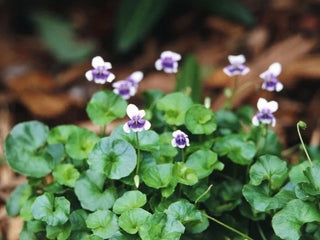
Native violet (Viola hederacea)
Paperbarks (Melaleuca sp.)
Swamp banksia (Banksia robur)
Swamp lily (Crinum pedunculatum)
Tree ferns (Cyathea australis, Cyathea cooperi, Diksonia antarctica)
Climbing palms (Calamus australi)
 Obviously not all of these plants will suit your local climate. As always, we can give you a hand deciding which plant varieties will suit your garden best!
If you want to grow less hardy plants, such as vegetables and annuals, you will be somewhat at the mercy of mother nature. Luckily there are some things you can do to mitigate future floods and downpours. Start by constructing raised garden beds to reduce recovery times after rainfall or grow your plants in ridges or in more elevated parts of your garden to create more free drainage. Look for water flow patterns and carve out drainage to redirect water. Installing extra drainage where possible is always a good idea!
Together we can rebuild
We at Plants in a Box are wishing for clear skies and quick clean-ups to everyone affected across Eastern Australia. Just remember our team of plant nerds are always here to offer friendly advice and suggestions. So, when you’re ready to replant and rebuild your garden, feel free to reach out online or give us a call!