





















The Ultimate Guide to Watering Your Houseplants the Right Way
Proper watering is one of the most critical aspects of keeping your houseplants happy and healthy. Overwatering, underwatering, or using the wrong method can harm even the hardiest plants. Whether you're a seasoned plant parent or a beginner, this guide will teach you how to water your houseplants correctly and why tools like the Sustee Moisture Meter can guarantee success.

Why Watering Matters
Water is essential for photosynthesis, transporting nutrients, and maintaining healthy roots. However, more houseplants die from overwatering than from underwatering. Striking the right balance is crucial for plant survival and growth.
Guidelines for Watering Your Houseplants
1. Always Use Pots with Drainage Holes
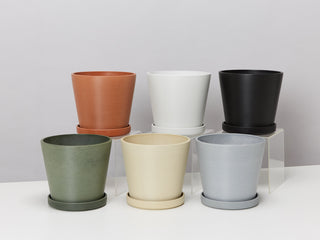
To prevent root rot, always house your plants in pots with proper drainage holes. Excess water must be able to escape the pot; otherwise, the roots may sit in waterlogged soil, leading to rot.
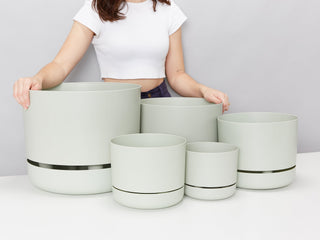
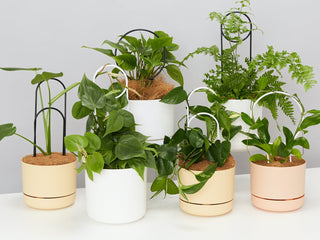
If you absolutely love decorative pots without holes, you can still use them as cachepots. Simply place your plant in a nursery pot with holes, and set it inside the decorative pot. After watering, empty any standing water from the outer pot.
2. The Exception: Bottom-Up Watering for Pots Without Holes
If you're using a pot without drainage holes, you can try bottom-up watering. Here's how to do it:
- Place the pot in a shallow tray of water.
- Allow the soil to absorb water through the drainage layer (or bottom of the pot if none exists).
- Check the top of the soil – it should feel evenly moist after about 20-30 minutes.
- Remove the pot from the tray immediately to ensure the roots don’t stay in the water.
- During the summer, you can place the plant in a shallow dish filled with a few centimetres of water. This allows it to absorb precisely what it needs without the risk of overwatering. Many plants thrive with this "toe-dip" method, moistening their roots without becoming overly saturated. However, be cautious not to add too much water—plants shouldn’t be left sitting in it, as excessively wet soil can attract fungal gnats. While this method requires a bit of attention to detail, it can save you time and effort during the hot months by reducing the need for frequent watering. Remember that while this method works, it's riskier and requires close attention to prevent overwatering.
3. Observe Your Soil
Different plants have different watering needs, but one thing is universal – always check the soil before watering. If the top 1-2 inches of soil feel dry, it's usually time to water. For more sensitive plants, moisture deeper in the pot matters too.
4. The Sustee Moisture Meter for 100% Success
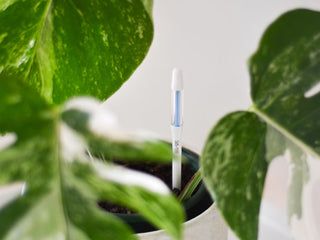
For plant lovers who want precision and peace of mind, the Sustee Moisture Meter is a game-changer. It’s a simple tool that tells you exactly when your plant needs water. Here's how to use it:
- Insert the Sustee into your plant’s soil, following the depth guidelines.
- The Sustee's colour indicator will turn white when the soil is dry and needs water.
- After watering, it will turn blue again, showing your soil is adequately moist.
The Sustee Moisture Meter is perfect for busy plant parents or those just starting out who want to eliminate the guesswork. With this tool, you can effectively avoid both over- and underwatering.
They are reusable, and replacement refills won’t be needed until the 9-12-month mark.
5. Watering Basics Based on Plant Type
Different plants have different preferences for watering. Here's a quick breakdown:
- Succulents and Cacti: These drought-tolerant plants prefer their soil to dry out completely before watering.
- Tropical Plants (e.g., Monstera, Philodendron): Keep the soil evenly moist, but avoid soggy soil.
- Ferns: These moisture-loving plants like consistent humidity and should never completely dry out.
- Orchids: Use unique orchid potting mixes and ensure excellent drainage. They'll typically need watering once the mix feels entirely dry.
A Common Misconception About Plant Watering
Many people mistakenly believe that each plant requires a unique watering schedule. However, the timing of watering is influenced more by environmental factors—such as temperature, humidity, season, and the plant’s growth stage—than by the plant type itself. In essence, it’s the environment, not the plant, that dictates when to water.
The Universal Soil Moisture Range for Healthy Plants
All plants benefit from staying within a shared soil moisture range, known as the “available water capacity.” This range serves as a universal benchmark for proper moisture management, helping to prevent both root rot and dehydration. With SUStee, you can ensure your plants remain in this optimal moisture zone, making watering easier and more effective.

6. Water Quality Matters
Some plants are sensitive to chemicals and minerals in tap water. Consider these options for healthier watering:
- Distilled Water for plants like Calatheas or Prayer Plants.
- Rainwater for softer, natural hydration.
- If using tap water, allow it to sit out overnight to dissipate chlorine.
7. Water at the Right Time
Morning watering is ideal because it allows your plants to absorb moisture before the heat of the day. Avoid watering in the evening since sitting water paired with cooler temperatures can encourage mold and pests.
8. Ensure Even Watering
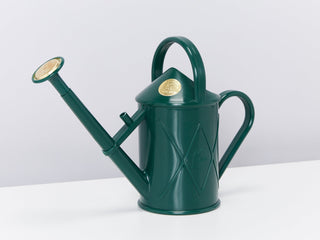
When watering from the top, ensure the entire soil surface is evenly saturated. Watering one spot can cause dry pockets, leading to inconsistent hydration. Pour water slowly until you see it draining from the bottom of the pot.

Signs You’re Overwatering or Underwatering
Signs of Overwatering:
- Yellowing leaves
- Mushy stems or roots with a foul smell
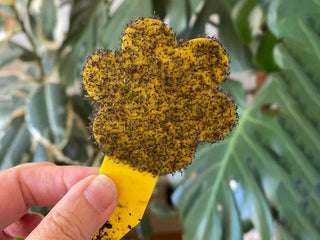
- Fungus gnats or mold on the soil surface
Signs of Underwatering:
- Dry, crispy leaves
- Soil pulling away from the pot's edges
- Wilting foliage that perks up after watering
Wrap-Up
Watering your houseplants doesn’t have to be daunting. By using pots with proper drainage, adjusting based on your plant’s needs, and utilising a tool like the Sustee Moisture Meter, you can avoid common pitfalls and ensure your plants thrive.
Consistency is key—but don’t worry if you make the occasional mistake. Plants are incredibly resilient when loved with care (and the right amount of water!).
Want more tips and tricks for growing your leafy family? Join our community of plant lovers for exclusive content, tools, and advice. Happy watering! 🌱